.png)
This itinerary provides a balanced mix of historical, cultural, and natural attractions, ensuring that Tunisian visitors get a comprehensive experience of Iran's rich heritage and hospitality, along with insights into the historical and cultural connections between the two countries.

Day 1: Arrival in Tehran
- Morning: Arrive at Imam Khomeini International Airport in Tehran. Transfer to your hotel and check-in.
- Afternoon: Visit the Golestan Palace, a UNESCO World Heritage site, and explore its beautiful gardens and museums. Golestan Palace's blend of Persian and European architecture reflects the deep historical connections between Iran and the wider Islamic world, including Tunisia.
- Evening: Stroll through the Grand Bazaar for an introduction to Iranian culture and enjoy a traditional Persian dinner at a local restaurant. The bustling atmosphere of the bazaar offers Tunisians a familiar sense of community and commerce akin to Tunisian souks.
Day 2: Tehran
- Morning: Visit the National Museum of Iran to learn about the country's rich history. Many artifacts showcase the cultural and historical exchanges between the Persian Empire and North Africa, including ancient Tunisia.
- Afternoon: Explore the Sa'dabad Complex and Niavaran Palace, the former residences of the royal family. These sites offer insights into Iran's modern history, similar to the historical sites in Tunis.
- Evening: Take a walk in the beautiful Tabiat Bridge and enjoy the view of Tehran's skyline, offering a modern perspective on the city much like the new developments in Tunis.
Day 3: Tehran to Isfahan
- Morning: Travel to Isfahan (approximately 5 hours by train or car).
- Afternoon: Visit Naqsh-e Jahan Square, one of the largest city squares in the world and another UNESCO World Heritage site. The grandeur and beauty of the square echo the historical significance of Tunisian squares such as Place de la Kasbah.
- Evening: Enjoy a traditional Persian dinner at a local restaurant and take a leisurely stroll along the Zayandeh River, visiting the historic Si-o-se-pol and Khaju bridges. The bridges' historical architecture will resonate with Tunisians familiar with the intricate designs of their own historical sites.
Day 4: Isfahan
- Morning: Visit the Chehel Sotoun Palace and its beautiful gardens. The Persian gardens might remind Tunisians of their own Mediterranean gardens, emphasizing the shared appreciation for nature and beauty.
- Afternoon: Explore the Vank Cathedral in the Armenian Quarter and visit the Music Museum of Isfahan. The multicultural aspect of Isfahan reflects Tunisia's own diverse cultural heritage.
- Evening: Relax in the tranquil ambiance of the city's numerous parks and gardens, much like the public gardens found in Tunisian cities.
Day 5: Isfahan to Shiraz
- Morning: Travel to Shiraz (approximately 6 hours by car or 1 hour by flight).
- Afternoon: Visit the Nasir al-Mulk Mosque, also known as the Pink Mosque, famous for its stunning stained glass windows. This vibrant mosque will resonate with Tunisians who appreciate intricate Islamic art and architecture.
- Evening: Stroll through the Vakil Bazaar and visit the historic Vakil Mosque. The bazaar's vibrant commerce and historical significance are similar to the Medina of Tunis.
Day 6: Shiraz
- Morning: Explore the ancient ruins of Persepolis, a UNESCO World Heritage site, and learn about the Achaemenid Empire. Persepolis offers a connection to the broader history of the ancient world, including Carthage in Tunisia.
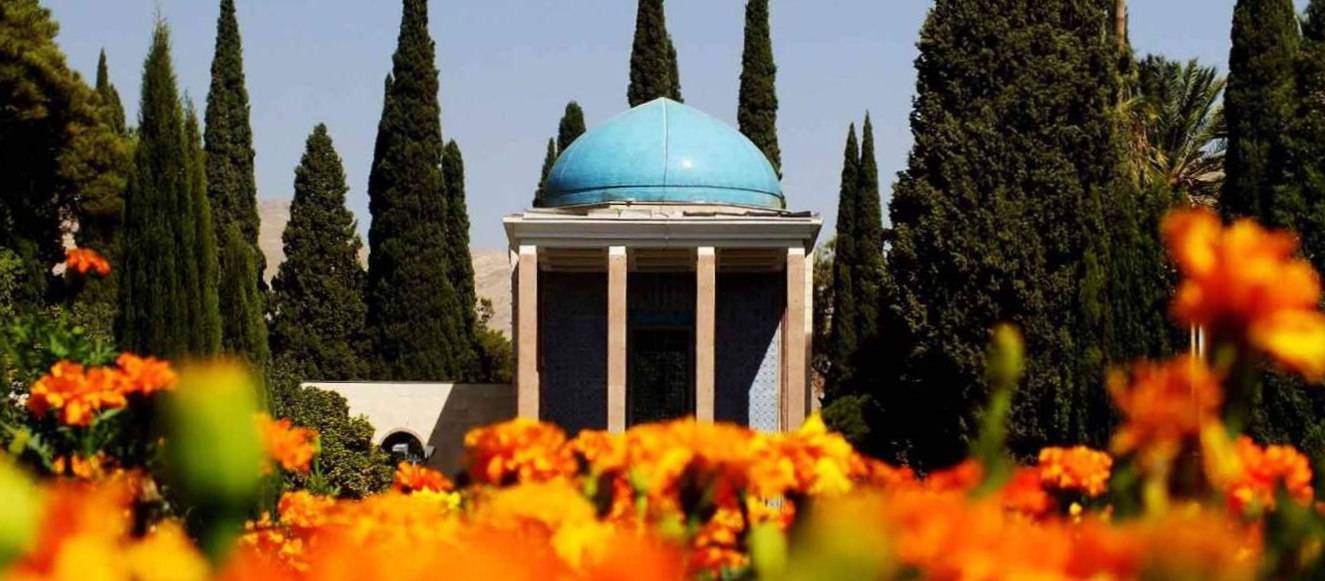
- Afternoon: Visit the Tomb of Hafez and the Tomb of Saadi, two of Iran's most celebrated poets. Poetry is a significant part of both Iranian and Tunisian cultures, and these sites offer a chance to connect with the literary heritage.
- Evening: Enjoy the peaceful Eram Garden, another UNESCO World Heritage site. The garden's beauty and design may remind visitors of the Andalusian influences seen in Tunisian architecture.
Day 7: Shiraz to Tehran
- Morning: Visit the Karim Khan Citadel in Shiraz, which showcases the blend of military and residential architecture.
- Afternoon: Fly back to Tehran.
- Evening: Enjoy a farewell dinner at a traditional Persian restaurant, reflecting on the shared cultural and historical ties between Iran and Tunisia.
Additional Tips:
- Language: Farsi is the official language, but many people in tourist areas speak some English. Tunisians may find it interesting to compare Farsi with Arabic and French spoken in Tunisia.
- Currency: The Iranian Rial (IRR) is the local currency. Be sure to carry enough cash, as credit cards are not widely accepted.
- Dress Code: Follow the local customs, especially in terms of dress code. Women should wear a headscarf and long, loose clothing. Men should avoid wearing shorts.
- Local Cuisine: Don’t miss out on trying traditional dishes like kebabs, stews (khoresh), and various Persian sweets. The flavors of Persian cuisine will offer an exciting comparison to Tunisian dishes, highlighting the rich culinary traditions of both cultures.
And our especial options are:
Cooking class:
Our company is based in Shiraz, we hold a culinary tour free of charge for people who are interested in culinary. On this day, my family and I will be your host in our home for the culinary tour. We start cooking together and spend some time at my home with my family and my friends.
The food we will be cooking will be traditional and chosen according to your interest and your loved ones.
Overnight stay in the desert:
We do recommend you to stay one night in the desert, it could be an unforgettable experience for you if you are ok with sleeping in the mattress and not having a private bathroom.
Carpet Workshop
We can show you some workshops running by both men and women who make traditional weaving and coloring. As you know Iran is famous for its carpet and is powerful in this industry. You will see how carpets are made and designed and colored.
Picnic in Hasht Behesht or Nazhvan
You will go to the picnic in the mid-day, you are going to go to a beautiful park called Hasht Behesht or Najvoon. You will be among many Iranian families who are spending their weekends with their children. You can experience the real weekend time in Iran and will have some tea, fruits, and snack. After a lovely lunch together, you will have a walk around the park and then you will have more free time to visit a unique place called Pigeon house where you will see a lot of birds coming to you to be fed. You can take some pictures.


